Head office
Where it began.
The remarkable history of this beautiful location
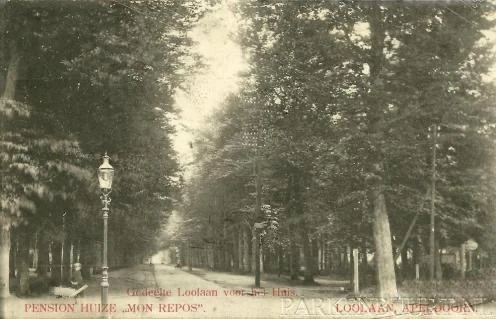
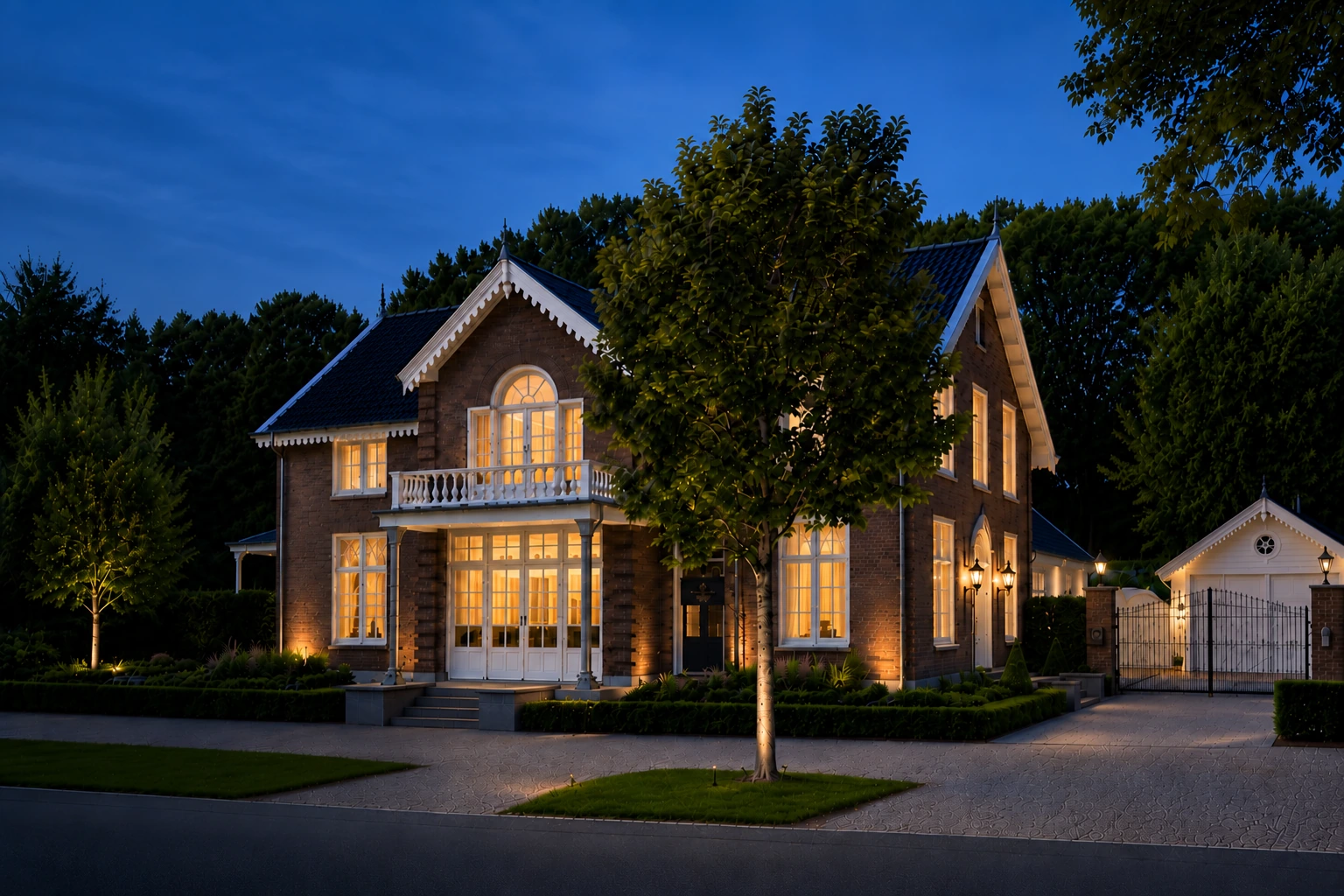
On the stately Loolaan, near De Naald and Paleis Het Loo, stands a villa with a rich past. Loolaan 83 is part of an area that owes its character to the presence of the Oranjes. In 1739, Prince Willem IV commissioned the Loolaan as part of the monumental network of avenues extending from the palace. Along this route between Het Loo and Apeldoorn, a world of grand houses, leafy gardens and elegant villas emerged.
Read the history
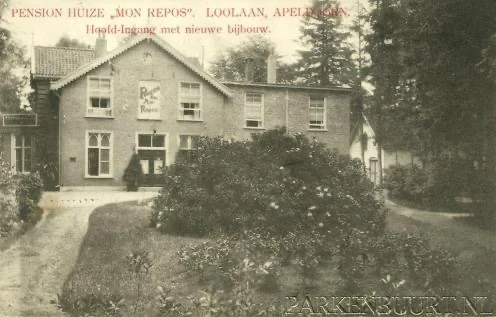
The history of the property encompasses bankers, aristocratic owners and enterprising hosts. In 1874, Franciscus Hermanes Post, a banker from The Hague, acquired the villa and its coach house. In 1910, jonkheer Willem Strick van Lintschoten became the owner, and the house underwent extensive renovation.
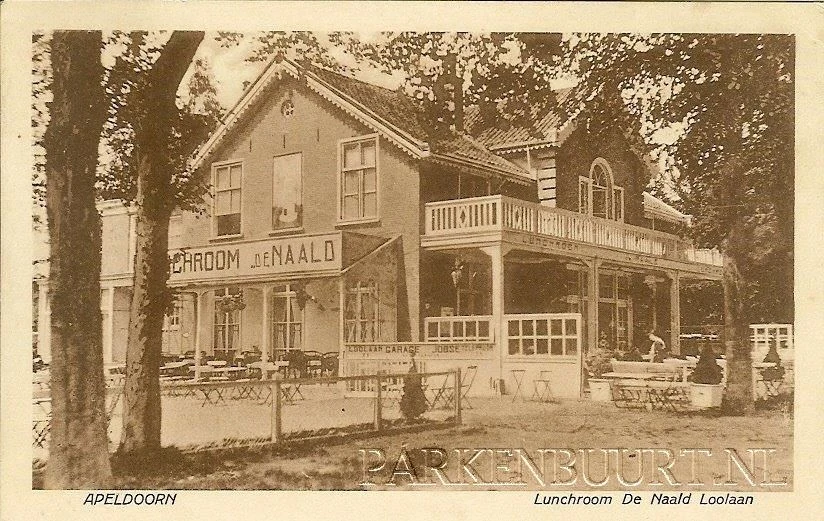
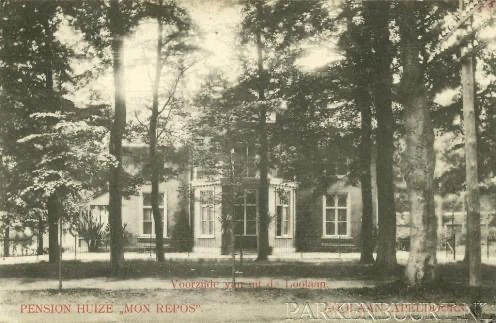
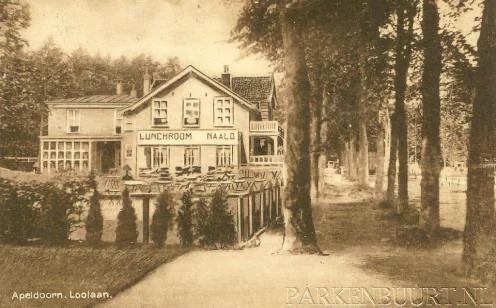
Hospitality held a special place here from an early stage. Under the name Mon Repos, French for ‘my rest’, the villa provided accommodation for paying guests. An advertisement from 1913 presented it as a ‘First-Class Family Guesthouse’, offering summer and winter stays. Surviving postcards show an inviting sitting room, a veranda and a green garden: tangible reminders of what a stay here once looked like.
Later, the name Lunchroom De Naald appeared on the façade. From 1925, the property served as an annex to Grand Hotel en Pension De Nieuwe Kroon. Subsequent uses included the Ötillie guesthouse and an antiques shop. Each new use added another chapter to the history of this remarkable villa.
In 2002, Loolaan 83 became the offices of Bouwhuis Groep. The restoration involved a year and a half of meticulous work, respecting the building’s historic character and heritage conservation guidelines. Marble, new floors and chandeliers enhance its stately appearance.
The entire property was restored in a historic style and modernised to meet the needs and comforts of a contemporary workplace. The result is a welcoming setting where everyone can enjoy their work, with the history of Apeldoorn and the proximity of Het Loo still very much in evidence.
Historical images5 postcards